Medical Google Slide Template: Streamlining Healthcare Presentation Workflows
In the fast-paced environment of healthcare communication, professionals often face a critical bottleneck between gathering clinical data and presenting it effectively. Whether you are a hospital administrator reporting quarterly outcomes, a medical educator teaching anatomy, or a biotech entrepreneur pitching to investors, the visual delivery of information is as important as the data itself. The Medical Google Slide Template serves as a foundational asset in this workflow, bridging the gap between raw medical information and professional visual storytelling. Rather than starting from a blank canvas, this resource provides a structured, pre-designed framework that allows users to focus on content accuracy and narrative flow rather than graphic design mechanics.
This template system is designed to integrate seamlessly into existing productivity routines. It functions not merely as a collection of slides, but as a comprehensive presentation infrastructure. With 150 total slides distributed across five distinct premade color themes, it offers enough variety to handle diverse project types while maintaining brand consistency. For professionals aged 20 to 50 who manage multiple stakeholders, this level of organization reduces cognitive load during the creation process. The template acts as a standardized container for complex medical concepts, ensuring that whether the presentation is created before a project launch, during a stakeholder update, or after a clinical trial concludes, the output remains polished and authoritative.
Structural Versatility and Color Coding Systems
Effective medical communication often requires distinguishing between different departments, patient demographics, or research phases. The inclusion of 30 unique slides for each of the five color variations addresses this need directly. In a practical workflow, this allows teams to establish a visual coding system without manual formatting. For example, a blue theme might be designated for cardiology reports, green for public health initiatives, and orange for administrative finance. This pre-organization saves hours of setup time and ensures that recurring presentations maintain a cohesive identity across an organization.
The five PPTX files included in the package are optimized for widescreen displays, which is now the industry standard for both virtual telehealth conferences and in-person auditoriums. Compatibility is a significant factor in professional workflows; having native PPTX files ensures that the template interacts correctly with Microsoft PowerPoint, Google Slides, and Keynote. This cross-platform flexibility means that a freelancer creating a deck on a Mac can collaborate seamlessly with a hospital IT department using Windows, without worrying about broken layouts or missing fonts. The widescreen aspect ratio also maximizes screen real estate, allowing for side-by-side comparisons of medical imaging and text without cramping the layout.
Leveraging Handcrafted Infographics for Data Translation
One of the most challenging aspects of medical presentations is translating dense statistical data or biological processes into digestible visuals. Generic chart tools often lack the specificity required for healthcare contexts. The handcrafted infographics included in this template are designed specifically for this purpose. Unlike auto-generated charts, these illustrations are pixel-perfect and context-aware, suitable for explaining patient journeys, surgical procedures, or epidemiological trends.
Because these graphics are built on master slides, they are fully resizable and editable without losing quality. This is crucial for quality control. When a user drags and drops a new icon or adjusts a process flow, the alignment guides and vector integrity remain intact. This feature supports a non-destructive editing workflow, allowing creators to experiment with different visual explanations without fear of breaking the slide’s underlying structure. For educators and trainers, this means being able to customize anatomical diagrams or treatment protocols rapidly based on audience feedback or updated guidelines, turning static templates into dynamic teaching tools.
Workflow Integration: From Planning to Execution
Integrating the Medical Google Slide Template into a project lifecycle enhances efficiency at every stage. During the planning phase, the sheer volume of available layouts serves as a brainstorming aid. Browsing the gallery and portfolio slides can help structure a narrative arc before a single word of content is written. Users can identify which slide types best represent their key messages—whether that is a timeline for drug development, a team introduction for a clinic, or a statistical breakdown of patient satisfaction scores.
During the execution phase, the drag-and-drop functionality based on master slides significantly accelerates production. Picture placeholders are configured to accept medical imagery, headshots, or facility photos instantly. This eliminates the tedious process of cropping, masking, and aligning images manually. For marketers and publishers producing high volumes of content, this automation ensures that every slide adheres to professional design standards regardless of who creates it. The section break slides further aid the workflow by providing natural pause points, helping presenters organize their thoughts and giving audiences visual cues that a new topic is beginning.
Post-presentation, the template continues to add value through reusability. Because the assets are organized and labeled within the master slide view, updating the deck for future use is straightforward. A quarterly report created in January can be duplicated and updated for April in minutes, preserving all formatting and branding. This long-term utility transforms the template from a one-time purchase into a sustainable component of an organization’s knowledge management system.
Technical Specifications and Asset Management
Understanding what is included in the package is vital for smooth implementation. The download contains five PPTX files corresponding to the five color themes, along with a Readme First file. This documentation is essential for onboarding new team members or troubleshooting. It includes direct download links for the free fonts used in the design, ensuring typographic consistency across different machines. Font licensing and availability are common friction points in collaborative environments; providing these links upfront prevents version conflicts and maintains the intended aesthetic.
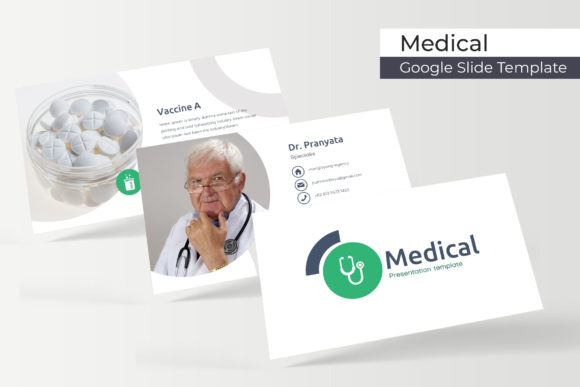
It is important to note a critical distinction regarding visual assets: all photographs or pictures used in the preview are for illustration purposes only and are not included. This is a standard practice in professional template distribution due to licensing restrictions. In a practical workflow, this means users must have access to their own licensed medical stock photography or proprietary clinical images. However, the picture placeholders are sized and cropped to accommodate standard aspect ratios, making it easy to swap in compliant imagery. This separation of design structure and copyrighted content protects users from legal issues while providing maximum creative freedom.
Optimizing for Audience Engagement and Clarity
The ultimate goal of using a specialized template is to improve communication outcomes. For adult learners and professional stakeholders, clarity reduces fatigue and increases retention. The pixel-perfect illustrations and clean typography reduce visual noise, allowing the audience to focus on the medical substance. When presenting complex topics like immunology or healthcare policy, the structured layout guides the viewer’s eye logically through the information hierarchy.
For entrepreneurs and small business owners in the health sector, the portfolio and gallery slides offer a professional way to showcase facilities, equipment, or past case studies. These sections are often difficult to design from scratch but are critical for building trust. By utilizing pre-designed grids and masonry layouts, businesses can present their capabilities with the same polish as major healthcare institutions. This levels the playing field, allowing smaller entities to compete visually while focusing their resources on actual service delivery.
Educators and bloggers benefit from the infographic section breaks and transition slides, which help maintain pacing in longer lectures or articles converted to slide format. The ability to resize graphics means that a diagram created for a lecture hall can be easily adapted for a blog post or social media graphic, extending the reach of the content. This multi-purpose utility aligns with modern content repurposing strategies, where a single core asset is adapted for various channels.
Best Practices for Customization and Consistency
To maximize the return on investment, users should approach customization systematically. Start by selecting the single color theme that best aligns with your primary brand or project tone. While having five options is beneficial, mixing them indiscriminately within a single presentation can dilute the message. Reserve alternate colors for specific subsections or distinct projects to maintain visual coherence.
Utilize the master slide view for global changes. If you need to add a logo, change a footer, or adjust a font size across all 30 slides in a theme, doing so via the master slide ensures consistency and saves time. Avoid editing individual slides unless absolutely necessary, as this breaks the link to the master and makes future updates difficult. This discipline is key to maintaining the "pixel-perfect" quality promised by the template.
Finally, always verify image rights and patient privacy compliance when inserting photos into the placeholders. The template provides the frame, but the user is responsible for the content. Ensuring that all inserted medical imagery is HIPAA-compliant (or relevant regional equivalent) and properly licensed is a non-negotiable step in the workflow. By combining the structural efficiency of the Medical Google Slide Template with rigorous content governance, professionals can produce presentations that are not only visually impressive but also ethically sound and legally secure.