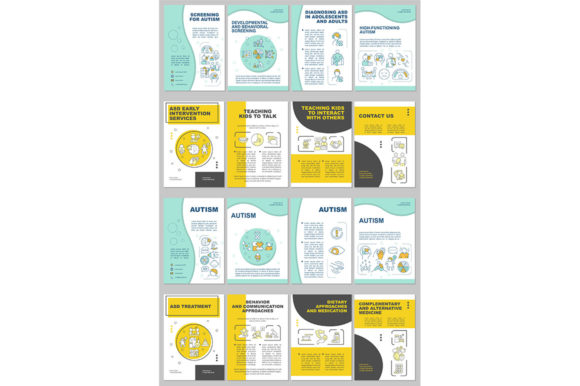
Designing for Understanding: Autism Problems Brochure Template Set for Behavioral and Interactional Support
Communicating complex information regarding neurodiversity requires a delicate balance of empathy, clarity, and visual structure. When organizations, therapists, or educational institutions need to address behavior and interactional problems associated with autism, the medium is just as important as the message. A cluttered or confusing layout can inadvertently mirror the sensory overload that many individuals on the spectrum experience. This is where a specialized Autism Problems Brochure Template Set becomes an essential tool in modern advocacy and care workflows. These templates are not merely decorative; they are functional frameworks designed to present sensitive data in a digestible, respectful, and professional manner.
The Role of Visual Structure in Neurodivergent Communication
Information design plays a pivotal role in how autism-related resources are received. For parents navigating a new diagnosis or educators implementing behavioral intervention plans, cognitive load is often already high. The primary function of an effective autism brochure template is to reduce friction between the reader and the content. By utilizing clean vector layouts and ample white space, designers can create materials that feel calming rather than chaotic.
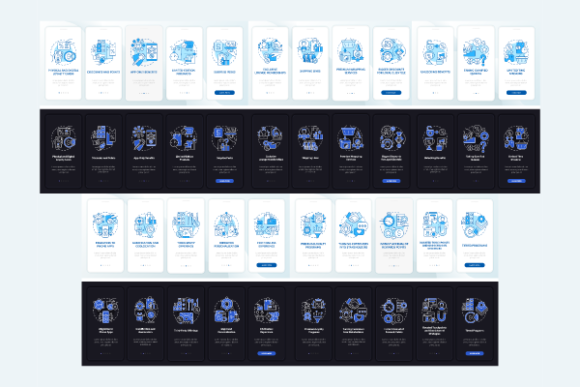
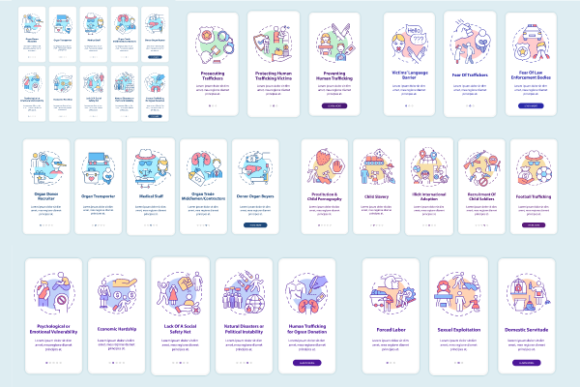
Linear icons serve a specific purpose in this context. Unlike detailed illustrations which can sometimes be open to misinterpretation, linear iconography offers universal, simplified symbols that represent concepts like "social interaction," "sensory processing," or "routine." When integrated into flyers, booklets, or leaflets, these icons act as visual anchors. They allow readers to scan documents quickly, identifying relevant sections on behavior management or interactional strategies without getting lost in dense blocks of text. This visual shorthand is particularly valuable in clinical settings where time is limited and clarity is paramount.
Addressing Behavior and Interactional Challenges Through Design
Behavior and interactional problems are often the most pressing concerns for families and support teams. However, discussing these topics requires nuance. A well-crafted template set provides pre-structured sections that guide the writer toward constructive, person-first language. Instead of starting from scratch, content creators can utilize designated areas for:
- Trigger Identification: Visual charts or lists that help map out environmental factors contributing to behavioral episodes.
- Communication Strategies: Step-by-step visual guides for alternative communication methods during moments of distress.
- Social Narratives: Layouts designed specifically for sequencing events, helping individuals understand social expectations and interactions.
- Crisis De-escalation: High-contrast, easy-to-read protocols intended for rapid reference during emergencies.
By using an Autism Problems Brochure Template Set, professionals ensure that this critical information is presented consistently. Consistency builds trust. When a parent receives a booklet from a therapy center that uses the same visual language as their annual report or website, it reinforces a sense of organizational competence and reliability.
Versatility Across Print and Digital Workflows
Modern advocacy does not happen in a vacuum. Resources must flow seamlessly between physical handouts and digital platforms. The technical specifications of your design assets dictate how efficiently this transition occurs. High-quality template sets offer multi-format support, typically including JPEG, AI, PNG, EPS, and SVG files. Understanding when to use each format is crucial for maintaining professional standards.
For print materials like tri-fold brochures or informational leaflets distributed at clinics and schools, AI (Adobe Illustrator) and EPS files are non-negotiable. These vector-based formats allow for infinite scaling without pixelation, ensuring that cover designs and internal graphics remain crisp whether printed on a standard office printer or a professional press. Vectors also allow designers to easily adjust color palettes to match specific branding guidelines or to adhere to accessibility standards, such as ensuring sufficient contrast ratios for visually impaired readers.
Conversely, PNG and SVG formats bridge the gap to digital outreach. SVGs are increasingly vital for web-based annual reports and interactive presentation slides because they maintain sharpness on high-resolution screens while keeping file sizes low. PNGs with transparent backgrounds are ideal for incorporating linear icons into mobile app screen pages or social media advertisements. This cross-platform compatibility ensures that the message regarding behavioral support remains consistent, whether viewed on a glossy printed flyer or a smartphone screen.
Streamlining Annual Reports and Presentations
Non-profits and healthcare providers often struggle to translate qualitative behavioral data into compelling annual reports. Stakeholders need to see progress, but raw statistics can be dry and alienating. Vector layouts found in comprehensive template sets solve this by offering infographic-ready structures. Designers can plug in data regarding intervention success rates, patient demographics, or program expansion into pre-designed charts that align with the broader autism awareness aesthetic.
This cohesion extends to presentations. When pitching for funding or training new staff, using a unified visual theme helps maintain audience engagement. The linear icons and structured grids inherent in an autism brochure template can be repurposed for slide decks, creating a narrative thread that connects daily behavioral challenges to high-level organizational goals. This reuse of assets saves countless hours of design time, allowing teams to focus on content accuracy and program delivery rather than formatting issues.
Sourcing Quality Assets: The BSD Studio Advantage
Finding design elements that are both aesthetically pleasing and clinically appropriate can be a significant hurdle. Generic stock imagery often relies on stereotypes or overly sentimental visuals that do not reflect the reality of living with autism. This is why sourcing from specialized repositories matters. BSD studio has established itself as a reliable resource for professionals seeking authentic, usable design assets.
When searching for icons, brochure templates, or infographic elements, quality indicators should include editable vector paths, organized layer structures, and inclusive representation. BSD studio offers extensive libraries that cater to these specific needs, including mobile app screen pages tailored for health and wellness applications. Their collections often feature the precise linear icon style preferred in neurodivergent communication—clean, unambiguous, and modern.
Furthermore, leveraging a dedicated studio’s library ensures that you are accessing files that have been tested across various applications. Whether you are building a digital resource hub or printing thousands of leaflets for a community outreach event, knowing that your source files are robust prevents costly production errors. It allows designers and administrators to move from concept to execution with confidence, knowing the underlying assets support the sensitivity of the subject matter.
Practical Considerations for Implementation
Before adopting a new template set, consider the long-term lifecycle of your materials. Autism support is an evolving field; guidelines change, and new research emerges. Choose templates that are modular. A rigid design might look beautiful today but become obsolete tomorrow if it cannot accommodate updated text or new iconography. The best Autism Problems Brochure Template Set functions as a flexible system rather than a static picture.
Additionally, always prioritize accessibility in your customization process. While the template provides the foundation, your team must ensure the final product meets WCAG standards. This includes selecting dyslexia-friendly fonts, avoiding justified text alignment which can create uneven spacing, and ensuring that color is not the sole method of conveying information. Linear icons should always be paired with text labels to prevent ambiguity.
Ultimately, the goal of using these design tools is to foster better understanding and support. By investing in professional, versatile, and empathetic design resources, organizations can create materials that truly serve the autism community. Whether producing a simple flyer for a waiting room or a comprehensive annual report for donors, the right template transforms information into a bridge for connection, education, and positive behavioral outcomes.