Interior Keynote Template: Elevating Visual Storytelling for Modern Design Professionals
In the competitive landscape of interior design, architecture, and real estate marketing, the quality of your presentation is often perceived as a direct reflection of the quality of your work. Clients and stakeholders do not just buy a space or a concept; they buy into a vision. The Interior Keynote Template serves as a critical bridge between raw architectural concepts and client understanding, providing a structured yet flexible canvas for visual storytelling. As digital workflows evolve and remote presentations become standard, professionals require tools that balance aesthetic sophistication with technical efficiency. This template system addresses those needs by offering a comprehensive suite of 150 total slides designed specifically for the nuances of spatial design and creative portfolios.
The Shift Toward Curated Digital Presentations
The era of generic, text-heavy slide decks is over. Modern audiences, accustomed to high-fidelity digital experiences on social media and design platforms, expect presentations to be visually immersive. For interior designers and marketers, this shift necessitates a move away from basic layouts toward curated visual narratives. The Interior Keynote Template aligns with this trend by prioritizing imagery and negative space, allowing the design work itself to take center stage. This is not merely about decoration; it is about cognitive load management. When presenting complex floor plans, material palettes, or renovation timelines, a cluttered slide distracts from the message. By utilizing handcrafted infographics and section break slides, presenters can guide their audience through a logical flow without overwhelming them with information.
Furthermore, the rise of hybrid work environments has changed how design pitches are delivered. Whether presenting in a boardroom or via a screen share on a video call, readability and visual impact are paramount. The inclusion of 5 KEY Widescreen files ensures that the aspect ratio matches modern displays perfectly, eliminating the awkward black bars or cropped content that plague older 4:3 templates. This attention to technical detail demonstrates an understanding of current consumption habits, ensuring that the presentation looks as professional on a laptop screen as it does on a projector.
Comprehensive Structure for Diverse Project Needs
Versatility is the cornerstone of any sustainable design workflow. A single project may require multiple presentation formats, from initial mood boards to final portfolio entries. The Interior Keynote Template provides 150 total slides divided across five distinct premade color themes. With 30 slides dedicated to each color variation, users are not forced to shoehorn their content into a single aesthetic. Instead, they can select a palette that resonates with the specific branding of the project or the preferences of the client. This modularity allows agencies and freelancers to maintain a consistent internal workflow while delivering bespoke experiences to different stakeholders.
The depth of the library also supports various stages of the design process. Early-stage pitches often rely on abstract concepts and emotional resonance, which can be articulated through the template’s gallery and mood board layouts. Conversely, later-stage presentations require data visualization and technical clarity. The handcrafted infographic slides address this need without requiring external graphic design software. These are not static images but fully editable vector elements within Keynote, meaning a designer can adjust charts, timelines, and process diagrams to reflect accurate project data while maintaining pixel-perfect illustration standards.
Streamlining Workflow with Master Slides and Drag-and-Drop Functionality
Time is the most scarce resource for creative professionals. While aesthetics matter, a template that requires hours of manual formatting defeats its purpose. The Interior Keynote Template is engineered for efficiency through its robust use of Master Slides. Unlike basic templates where every slide must be formatted individually, Master Slides allow for global, consistent changes across multiple layouts. If you need to update a logo, change a font style, or adjust a background element, doing so at the master level propagates the change instantly. This feature is essential for maintaining brand consistency across long presentations and significantly reduces the time spent on repetitive tasks.
The drag-and-drop picture placeholders further accelerate the production process. In interior design presentations, swapping out reference images or rendering updates is a frequent occurrence. Resizable and editable graphic placeholders mean that users can drop in new photography without breaking the layout or distorting aspect ratios. This fluidity encourages iteration; designers can quickly test different visual combinations during the drafting phase without fearing that they will dismantle the slide structure. The result is a more agile creative process where the tool facilitates exploration rather than hindering it.
Visual Consistency Through Color Theory and Typography
Color is a fundamental language in interior design, and it plays an equally vital role in presentation design. The five premade color variations included in this package are not arbitrary; they are curated to support different atmospheric goals. A warm, earthy palette might suit a residential renovation pitch focused on comfort and sustainability, while a cooler, minimalist scheme could be appropriate for a commercial office or tech-forward retail space. Having these options pre-built saves designers the mental fatigue of color selection and ensures harmonious contrast ratios for text readability.
Typography acts as the voice of the presentation. The template includes a Readme First file with direct download links to the free fonts used, removing the common friction point of missing typefaces. Using accessible, free fonts ensures that the presentation remains portable and editable across different machines and team members without licensing complications. This practical consideration highlights a user-first approach to design assets. When combined with the pixel-perfect illustrations, the typography creates a cohesive visual identity that reinforces professionalism and attention to detail—traits that clients actively seek in design partners.
Practical Considerations and Asset Management
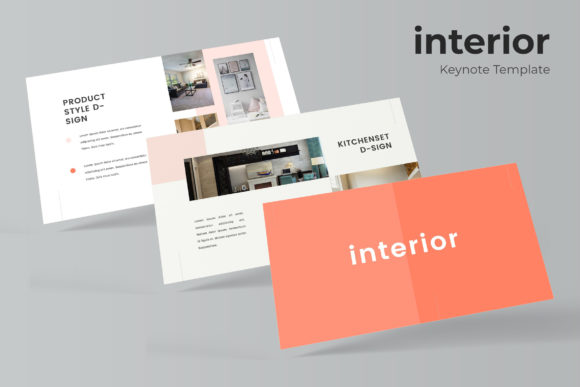
While the Interior Keynote Template offers extensive creative freedom, users must approach it with realistic expectations regarding asset usage. It is important to note that all photographs or pictures used in the preview are not included; they are intended for illustration purposes only. This distinction is crucial for avoiding copyright issues and managing file sizes. Users should prepare their own high-resolution renderings, site photography, or licensed stock images before beginning the assembly process. This separation of template structure and content assets actually benefits the user, as it prevents the bloat associated with embedded demo images and ensures the final file contains only relevant, proprietary visuals.
The package includes 5 KEY files corresponding to the five color themes. Organizing these files effectively is part of a professional workflow. Rather than working from a single massive file, keeping the color variations separate allows for faster load times and easier version control. When starting a new project, simply duplicate the appropriate color file and rename it according to your project naming convention. This simple habit prevents accidental overwrites and maintains a clean digital workspace.
Enhancing Client Communication and Portfolio Value
Beyond individual pitches, this template system serves as a powerful tool for portfolio development. The dedicated portfolio slides are designed to showcase work in a grid-based or full-bleed format that mirrors high-end design publications. For freelancers and small studios, maintaining an up-to-date digital portfolio is essential for business development. Using a standardized template for portfolios ensures that the focus remains on the projects rather than inconsistent formatting. Over time, this builds a recognizable personal brand identity that distinguishes the creator in a crowded market.
Moreover, the ability to produce high-quality visuals internally reduces reliance on external graphic designers for every minor update. For small businesses and independent creators, this autonomy translates to significant cost savings and faster turnaround times. When a client requests a quick revision to a material schedule or a timeline adjustment, the ability to make those changes in-house within minutes can be the difference between securing a contract and losing momentum. The Interior Keynote Template empowers designers to retain control over their narrative, ensuring that the communication of their ideas is as refined as the ideas themselves.
Adapting to Future Presentation Standards
As presentation technology continues to advance, the foundational principles of good design remain constant: clarity, hierarchy, and relevance. While software features may change, the need to organize complex information into digestible visual formats will persist. Investing in a comprehensive template system like this is an investment in scalable communication infrastructure. The 150-slide library provides enough variety to handle almost any scenario, from quick team updates to formal investor pitches, future-proofing your presentation capabilities against shifting project scopes.
Ultimately, the value of the Interior Keynote Template lies in its ability to harmonize creative expression with operational efficiency. It acknowledges that modern designers are multifaceted professionals who must be artists, project managers, and marketers simultaneously. By providing a robust, editable, and aesthetically considered foundation, it frees up mental bandwidth for what truly matters: creating exceptional spaces and communicating their value effectively. Whether you are an educator teaching design theory, a marketer launching a new development, or a freelancer pitching a dream home renovation, this template system offers the structural integrity and visual polish necessary to succeed in today’s visual-first economy.