Flat Icon - Crab: Leveraging Versatile Vector Assets for Digital and Print Design
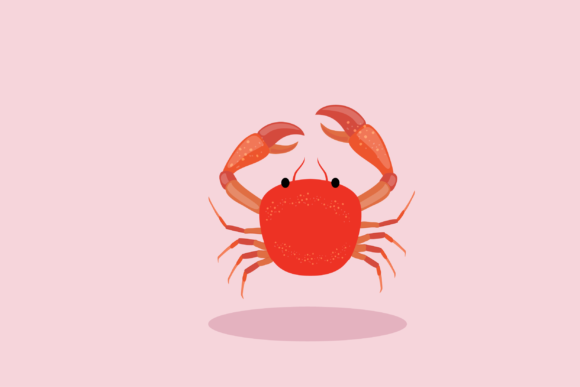
In the expansive world of digital asset creation, finding imagery that balances aesthetic appeal with technical flexibility is a constant challenge for designers and marketers. The Flat Icon - Crab represents a specific category of graphical resource that bridges the gap between niche thematic relevance and broad utility. Whether utilized for a seafood restaurant’s rebranding, an educational biology module, or a playful social media campaign, this asset serves as a foundational element in visual communication. Understanding how to maximize the potential of such an icon requires looking beyond the image itself and examining the file formats, application contexts, and strategic implementation methods available to the user.
Technical Specifications and Format Utility
The true value of any design asset lies in its adaptability across different mediums. This specific crab icon package is engineered to support a wide spectrum of design workflows through four distinct file formats. Each format serves a unique purpose in the production pipeline, ensuring that the asset remains crisp and functional regardless of the final output.
AI File: The Master Source
The Adobe Illustrator (AI) file acts as the master source for the Flat Icon - Crab. This proprietary vector format preserves all editable paths, layers, and anchor points. For professional designers, this is the most critical component of the package. It allows for non-destructive editing, meaning you can alter the color palette to match specific brand guidelines, adjust line weights, or combine the crab icon with other vector elements without any loss of quality. Because AI files are resolution-independent, they serve as the archival standard from which all other formats should be derived.
EPS File: Universal Vector Compatibility
Encapsulated PostScript (EPS) files provide a bridge between different vector software ecosystems. While AI files are native to Adobe products, EPS files ensure compatibility with CorelDRAW, Inkscape, Affinity Designer, and older versions of illustration software. This format is particularly valuable for print production environments where legacy systems may still be in use. The EPS version of the crab icon retains full scalability, making it ideal for large-format printing such as banners, vehicle wraps, or trade show signage where pixelation would be unacceptable.
PNG File: Transparency and Web Integration
For digital applications, the Portable Network Graphics (PNG) format is indispensable. Unlike JPEGs, PNGs support alpha channel transparency, allowing the crab icon to float seamlessly over colored backgrounds, photographs, or complex textures without a white box surrounding it. This format is optimized for web performance while maintaining sharp edges, making it perfect for landing pages, app interfaces, and overlay graphics in video content. When using the Flat Icon - Crab in a PNG format, designers can quickly implement the asset into HTML/CSS projects or presentation software like PowerPoint and Keynote without needing vector editing tools.
JPG File: Raster Reliability
While vector formats offer superior quality, Joint Photographic Experts Group (JPG) files remain the universal standard for image sharing and quick previews. The JPG version of this asset provides a flattened, RGB-compressed image that is universally viewable on any device without specialized software. This format is best suited for internal mockups, email signatures, or platforms that do not support transparency. However, users should note that JPGs have a fixed resolution; scaling them up significantly will result in artifacting, so they should be reserved for small-to-medium display sizes.
Strategic Applications Across Industries
The versatility of a flat design crab icon extends far beyond marine biology. Its stylized nature allows it to function as a metaphor, a mascot, or a decorative element across various sectors. By analyzing current design trends, we can identify several high-impact use cases for this asset.
Culinary and Hospitality Marketing
The most direct application is within the food and beverage industry. Seafood restaurants, fish markets, and coastal tourism boards frequently require iconography that communicates freshness and oceanic themes instantly. A flat design aesthetic offers a modern, clean alternative to realistic illustrations, which can sometimes appear dated or overly complex at small sizes. In this context, the Flat Icon - Crab can be integrated into menu headers, promotional flyers, and Instagram stories to create a cohesive visual identity that feels approachable and contemporary.
Educational and Scientific Communication
Educators and researchers often struggle to make technical content engaging for younger audiences or general consumers. Flat icons simplify complex biological subjects into digestible visual cues. For a presentation on crustacean anatomy, marine ecosystem conservation, or fisheries management, this icon serves as an effective bullet point marker or section divider. The simplified geometry reduces cognitive load, allowing the audience to focus on the accompanying data or text rather than getting distracted by intricate artistic details.
Corporate Metaphors and Branding
Interestingly, crab imagery has found a place in corporate and tech branding through metaphorical association. Crabs are often associated with resilience, protection (hard shell), and lateral thinking (moving sideways). Startups or organizations focusing on cybersecurity, defensive strategies, or unconventional problem-solving may adopt the Flat Icon - Crab as a subtle nod to these attributes. In pitch decks and infographics, the icon can represent "protection," "adaptability," or "coastal operations" depending on the narrative context.
Design Considerations for Flat Iconography
Implementing a flat icon effectively requires adherence to specific design principles to maintain visual harmony. Simply dropping the asset onto a canvas does not guarantee a professional result. Designers must consider hierarchy, contrast, and stylistic consistency.
- Color Harmony: Flat icons typically utilize solid colors without gradients or shadows. When integrating the crab icon into a project, ensure its color values align with your existing palette. Use the AI or EPS file to recolor the asset if necessary, rather than applying color filters over a raster image, which can degrade quality.
- Negative Space Management: Flat design relies heavily on negative space to define form. When placing the crab icon against busy backgrounds, ensure there is sufficient padding around the element. Crowding the icon with text or other graphics can reduce legibility and diminish the impact of the silhouette.
- Scale and Proportion: Maintain consistent stroke widths and corner radii when pairing this icon with other flat design elements. If your UI kit uses 2px strokes and rounded corners, verify that the crab icon matches these parameters. Mixing disparate styles (e.g., a thick-lined crab with thin-lined arrows) creates visual dissonance.
- Contextual Relevance: Always evaluate whether the icon adds semantic value. Using a crab icon purely for decoration can confuse users who expect it to signify something specific. Ensure the visual choice supports the content's message rather than distracting from it.
Optimizing Assets for Multi-Channel Campaigns
Modern marketing campaigns rarely exist on a single platform. A successful campaign might span a website landing page, a LinkedIn ad, a printed brochure, and an email newsletter. The multi-format inclusion of the Flat Icon - Crab facilitates this omnichannel approach efficiently.
For landing pages and web banners, the PNG format should be optimized for web delivery. Tools like TinyPNG or ImageOptim can reduce file size without visible quality loss, improving page load speeds—a critical factor for both user experience and SEO rankings. SVG conversion from the AI source is also recommended for responsive web design, as it allows the icon to scale perfectly across mobile, tablet, and desktop viewports.
In social media promotion, consistency builds recognition. Using the same crab icon across Facebook, Twitter, and Instagram posts creates a visual thread that ties disparate content pieces together. The flat style is particularly advantageous here because it remains recognizable even when scaled down to thumbnail size in a feed. Advertisers can use the icon as a focal point in carousel ads or as a watermark on video content to reinforce brand recall.
For presentations and pitching, the vector formats shine. When projecting slides onto large screens or sharing PDFs via email, crisp graphics convey professionalism. The ability to edit the EPS/AI file means presenters can dynamically change the icon’s color to highlight different sections of a talk or to differentiate between competing concepts within a single slide deck.
Licensing and Ethical Usage
Acquiring a design asset involves more than just downloading files; it requires understanding usage rights and ethical implementation. When utilizing purchased assets like the Flat Icon - Crab, always review the license agreement regarding commercial versus personal use, attribution requirements, and modification restrictions. Respecting intellectual property ensures legal compliance and supports the creators who produce these resources.
Furthermore, consider cultural sensitivity when using animal iconography. While crabs are generally neutral symbols, certain depictions or contexts may carry unintended connotations in specific regions or cultures. Conducting basic cultural research before launching international campaigns prevents miscommunication and demonstrates respect for diverse audiences.
Ultimately, the effectiveness of any design asset is measured by how well it serves the end goal. The Flat Icon - Crab, with its comprehensive file package and adaptable aesthetic, provides a robust toolkit for creators. By leveraging the appropriate format for each medium and adhering to sound design principles, professionals can transform a simple graphic into a powerful component of their visual strategy. Thank you for purchasing this product. Hope you like it and find it instrumental in achieving your creative objectives.